
Sleep Trackers: Helpful Mirror or Anxiety Engine?
Wearable sleep scores are estimates, not measurements. Knowing the difference changes whether your tracker helps you sleep — or quietly wrecks it.
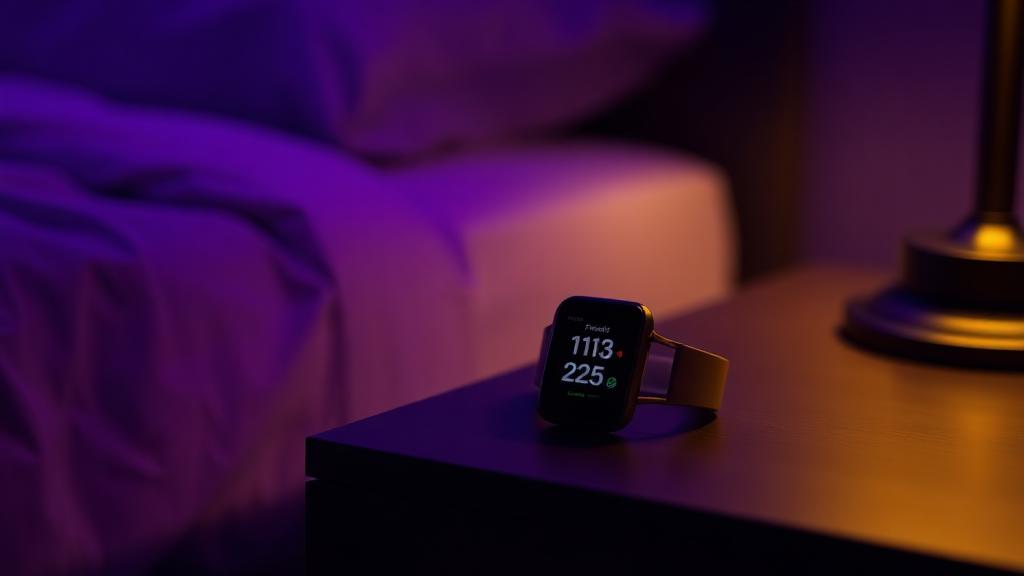
A sleep tracker can be genuinely useful — it makes invisible patterns visible, and accountability often improves behaviour. But the score on your wrist is an algorithm's guess built from movement and heart rate, not a measurement of your brain waves. Confusing the two causes a real, documented problem.
What trackers can and cannot do
Wearables are reasonably good at detecting that you are asleep and roughly when you woke. They are poor at separating light from deep sleep, and they cannot reliably identify REM. A polysomnogram — the clinical gold standard — uses EEG, eye movement and muscle tone. Your ring does not.
Orthosomnia
Researchers coined the term 'orthosomnia' for the unhealthy pursuit of perfect sleep scores. The irony is real: people who obsess over their tracker's numbers sleep worse, because the anxiety itself fragments sleep.
"If checking your sleep score makes you anxious, the score is part of the problem — not the solution."
How to use one well
- Track trends over weeks, not single nights. One bad score means almost nothing.
- Use it to test changes — earlier dinner, cooler room, no late alcohol — and watch the trend move.
- If the number starts dictating your mood, leave the device off for a week and notice whether you sleep better.
- Never let a tracker overrule how rested you actually feel. Subjective sleep quality is a better daily signal than a derived score.
This article is for general information and does not replace medical advice.