
Reading Before Bed: The Last Screen-Free Habit Worth Keeping
Six minutes of a paper book lowers stress and shortens the path to sleep. The medium matters more than the content.
Daniel, Somnia Editor 5 min
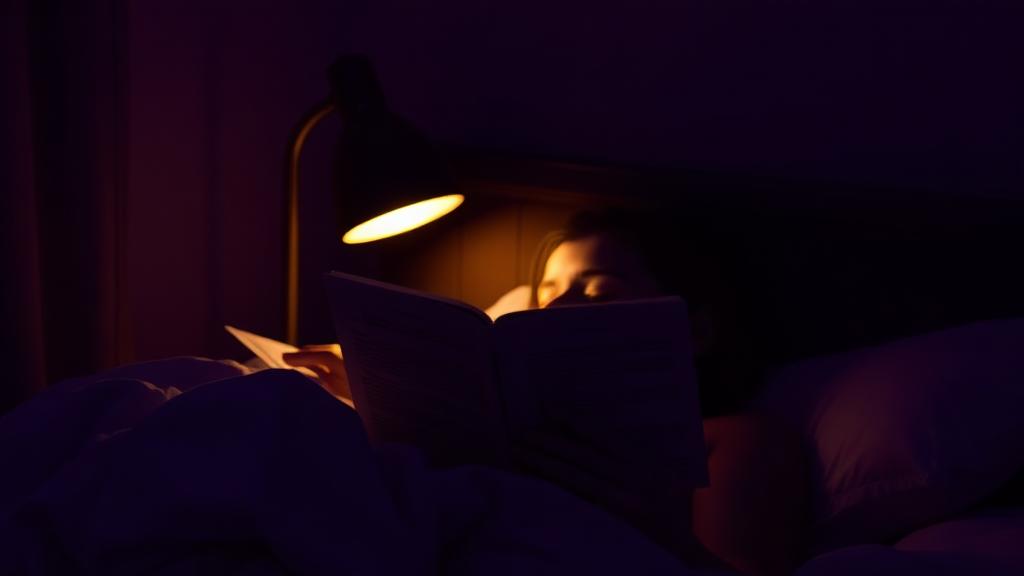
Reading before bed is one of the oldest sleep aids, and one of the few that genuinely works. A small but well-known study found that as little as six minutes of reading reduced stress by around two-thirds — more than listening to music, having a cup of tea, or playing a video game. The medium, though, decides whether it helps or harms.
Paper versus screen
Reading on a backlit device suppresses melatonin and delays sleep onset compared with a paper book, even when the content is identical. The light is one factor, but the always-available next notification is the larger one — a phone is never just a book.
Why it works
- Fiction, in particular, creates a gentle cognitive load that distracts from the looping thoughts that keep people awake.
- A fixed nightly reading ritual becomes a cue that tells the brain sleep is next.
- Unlike scrolling, reading a book has a natural stopping point — a chapter end — which makes it easier to close and put down.
"The book that sends you to sleep is doing exactly what the best sleep aids do: pulling your attention gently away from yourself."
Making it work
- Keep a physical book or a dedicated e-reader (no apps, no browser) by the bed — not your phone.
- Choose something engaging enough to hold attention but not so gripping you fight sleep to finish it.
- Stop at a chapter end, not mid-page, so your brain gets a clean off-ramp into sleep.