
The Sleep Divorce: Why Separate Beds Can Save a Relationship
Sharing a bed is a cultural habit, not a biological need. Here is how couples negotiate sleeping apart without losing intimacy.
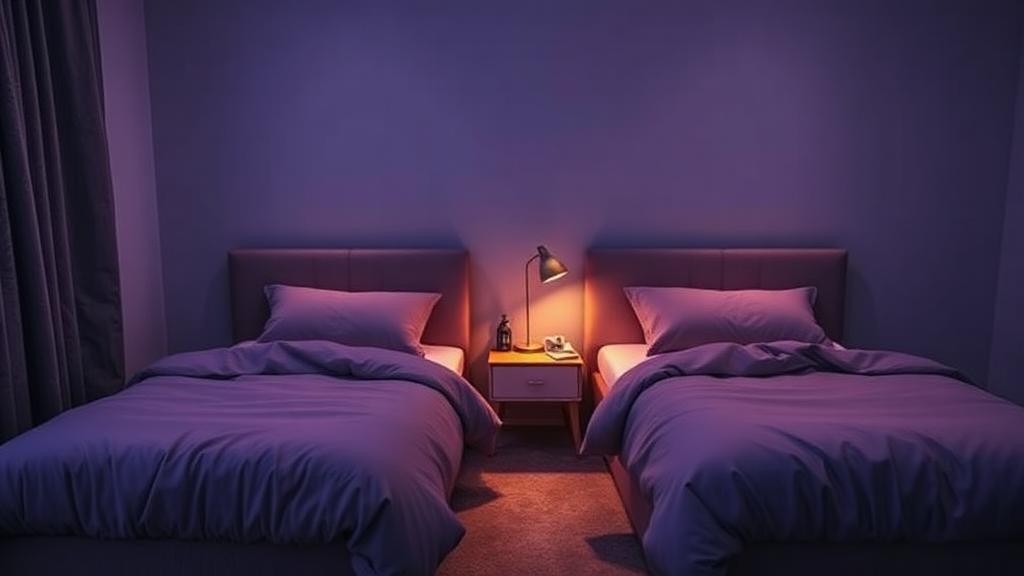
Around a third of couples we work with sleep badly primarily because of the person beside them — snoring, mismatched chronotypes, thermostat wars, or a partner who scrolls until 1 a.m. The fix is often simple and quietly taboo: stop sharing the bed.
What the data says
Bed-sharing increases nocturnal awakenings by roughly 30% compared to sleeping alone, even when neither partner remembers waking. Subjectively, most people report better sleep with a partner. Objectively, they get less of it.
"Couples who sleep apart and communicate well report higher relationship satisfaction than couples who share a bed and sleep badly."
The mismatches that matter most
- Chronotype: a natural night owl paired with a 5 a.m. riser loses sleep at both ends.
- Temperature: most partners disagree by 2–3°C on the ideal bedroom setting.
- Snoring: even mild snoring at 45 dB fragments the other person's deep sleep.
- Movement: a restless sleeper triggers arousals every time they turn.
How to do it without damage
- Frame it as a sleep decision, never a relationship verdict. Say it out loud.
- Keep a shared wind-down hour — read, talk, or lie together before separating.
- Protect intimacy deliberately; schedule it rather than leaving it to proximity.
- Review after four weeks. Many couples end up alternating rather than separating fully.
When it is not the answer
If the snoring is loud, gasping, or paired with daytime exhaustion, that is a screening question for sleep apnoea, not a bedroom-logistics problem. Get it assessed before rearranging the furniture.