
Sleeping Well Through Ramadan
Suhoor, late nights and shifted meals rewrite your circadian rhythm for a month. A practical protocol for protecting rest.
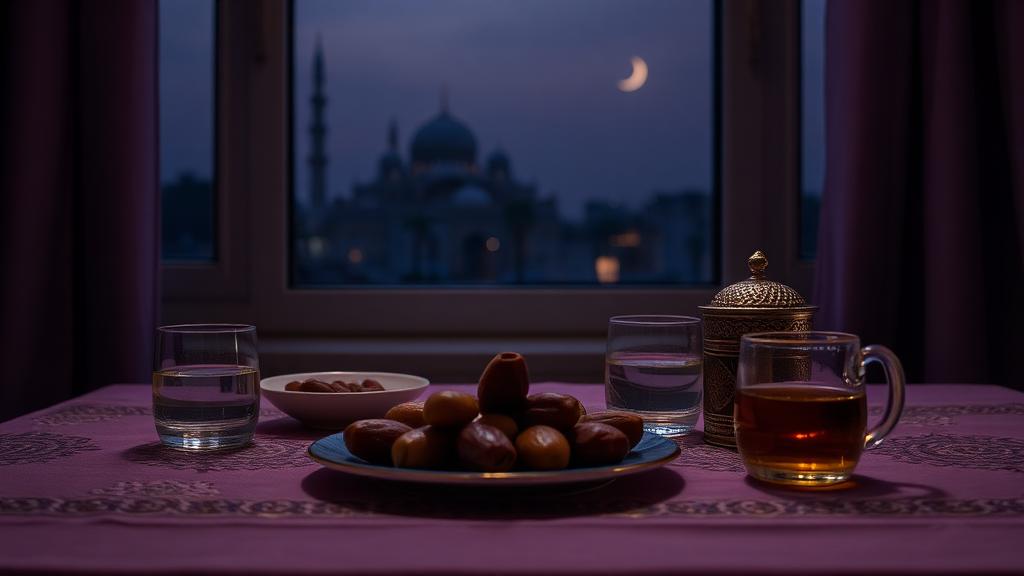
Ramadan does not shorten sleep by itself — the schedule around it does. Late iftar gatherings, a 4 a.m. suhoor and unchanged work hours compress the night into two fragments, and by the second week most people are running a significant sleep debt.
Work with the split, not against it
Biphasic sleep is not inherently unhealthy. Humans slept in two blocks for most of recorded history. The problem is when the two blocks add up to five hours instead of seven and a half.
- Anchor the main block: aim for a continuous 5–6 hours after suhoor, in a dark, cool room.
- Add a deliberate 60–90 minute nap in the late afternoon, before iftar — one full sleep cycle, not twenty snatched minutes.
- Keep the wake time after suhoor fixed, even on weekends. Anchor points matter more than total hours.
What to eat and when
- At iftar, break the fast gently — dates and water first, then a moderate meal 30 minutes later.
- Heavy fried food within two hours of sleep costs deep sleep; leave the richest plates for earlier in the evening.
- At suhoor, favour slow carbohydrates and protein over sugar, which spikes then crashes mid-morning.
- Stop caffeine at iftar. A post-taraweeh coffee will still be active at suhoor.
Light discipline
Dim the house after taraweeh and get bright light on your face immediately after your main sleep block. Those two moves alone keep the circadian clock from drifting further each night.
Recovery afterwards
Do not try to snap back in a single night. Shift your bedtime 20–30 minutes earlier per day over the week after Eid, and hold a consistent wake time throughout.