
Sleep and Skin: The Overnight Repair You Cannot Buy in a Jar
The clearest, smoothest skin you will ever have is built between 2 and 4 a.m. — here is what happens while you sleep, and what quietly undoes it.
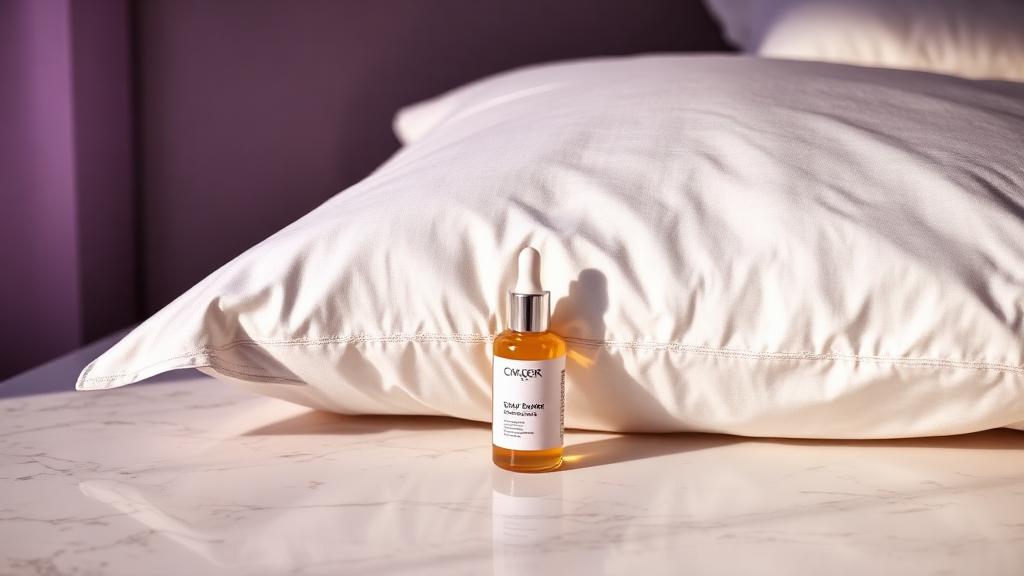
Skincare is a morning and evening ritual for most people, but the work that actually rebuilds your skin happens while you are unconscious. Growth hormone peaks in deep sleep, blood flow to the skin increases, and the cells that produce collagen get their longest uninterrupted window to work. Cut that window, and no serum will fully undo the shortfall.
What happens to skin overnight
During slow-wave sleep, growth hormone release rises, driving cellular repair and collagen synthesis. Blood flow to the dermis increases, delivering oxygen and clearing waste. The skin's barrier also becomes more permeable at night — which is why active ingredients work better in a PM routine, and why dehydration shows up as morning lines.
The measurable cost of short nights
- After two nights of restricted sleep, skin barrier recovery measurably slows and transepidermal water loss rises.
- Poor sleepers show more visible signs of ageing — fine lines, uneven tone, reduced elasticity — than age-matched good sleepers.
- Sleep deprivation increases inflammatory markers that drive breakouts, redness, and flare-ups of conditions like eczema.
"The most effective anti-ageing intervention is the one you already own: a full night of deep sleep."
Three habits that protect the skin window
- Protect the deepest sleep in the first half of the night — that is when growth hormone peaks and collagen repair is most active.
- Keep the bedroom cool and dark; heat and light fragment deep sleep and trigger overnight inflammation.
- Limit alcohol in the evening — it suppresses the deep stages that do the repair work, and dehydrates the skin directly.
This article is for general information and does not replace dermatological or medical advice.