
The Ideal Bedroom Temperature (and Why Your Body Runs Hot at Night)
Most bedrooms in the Gulf are far too warm for deep sleep. A simple thermostat change can do more than any supplement on your shelf.
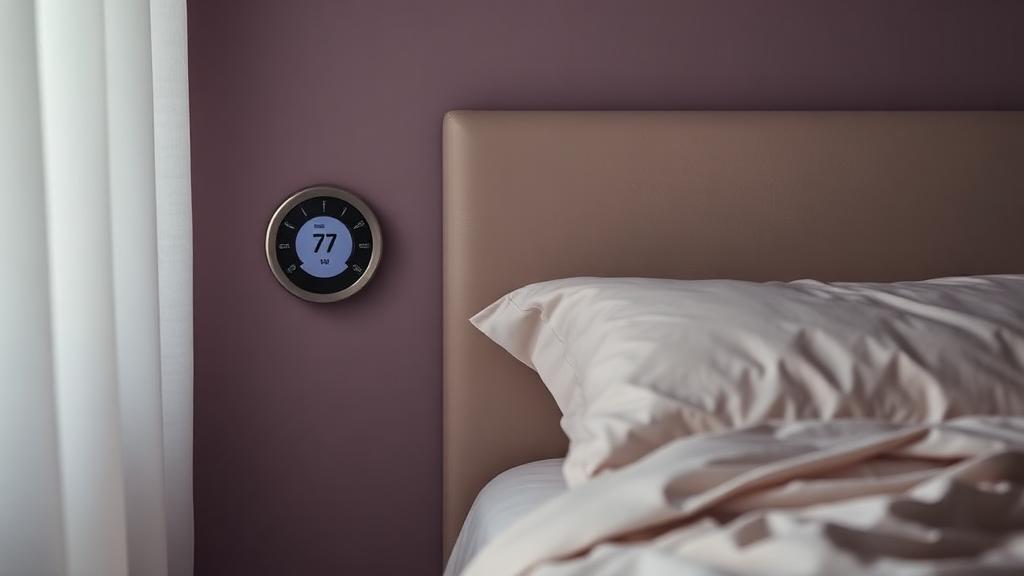
Falling asleep is a thermal event. Your core temperature has to drop by roughly half a degree, and it does so by sending heat to your hands and feet. If the room is too warm, that heat has nowhere to go — so your body keeps trying, and you stay awake.
The numbers
Most sleep research lands on an ambient bedroom temperature of 16–19°C as optimal for adults. In Dubai, the air-conditioning default of 22–24°C is comfortable for sitting but slightly too warm for the deepest stages of sleep.
Cooling the body, not the room
- A warm shower or foot bath 60–90 minutes before bed opens blood vessels, accelerating the core temperature drop that triggers sleepiness.
- Keep the room cool but your extremities warm — light socks can paradoxically help you fall asleep faster by drawing heat away from the core.
- Breathable bedding (linen, cotton) matters as much as the AC; synthetics trap the heat your body is trying to release.
"If you wake between 3 and 5 a.m. for no clear reason, check the thermostat before the supplements."
The Gulf reality
Air conditioning dries the air, which can irritate airways and throat — a common contributor to light, fragmented sleep. A cool room (18–19°C) with a small humidifier around 40–50% humidity tends to feel best for sleep in this climate.