
Menopause and Sleep: Why Nights Change, and What Actually Helps
Night sweats, 3 a.m. waking, and a mind that will not settle — sleep disruption is one of menopause's least discussed symptoms.
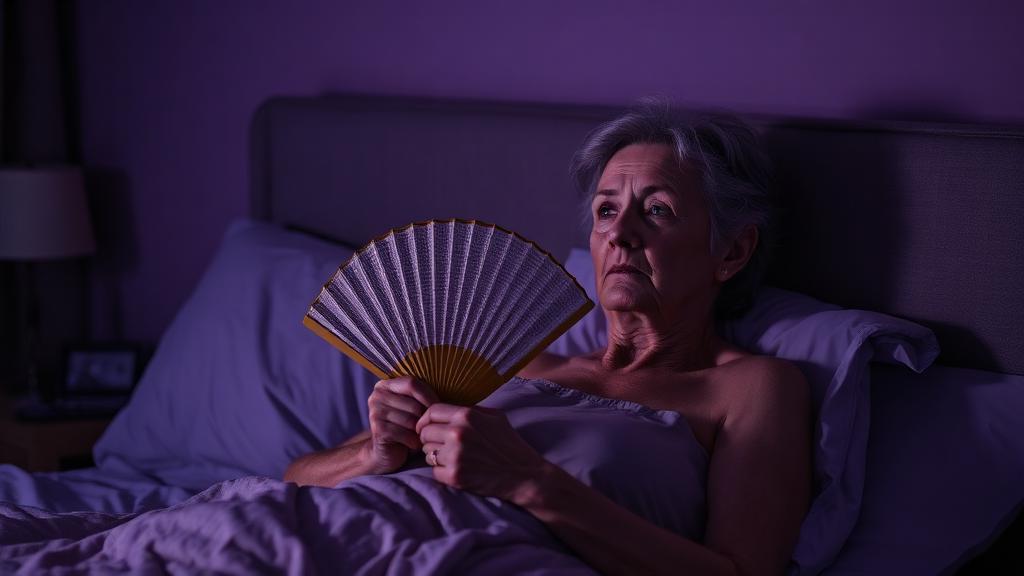
Somewhere in the menopausal transition, sleep quietly changes character. Nights that were once uneventful become punctuated by heat surges, early waking, and a lighter, more fragile kind of rest. It is common, it is biological, and — this part matters — it is treatable.
What is actually happening
Falling oestrogen disrupts the brain's temperature control, producing hot flushes and night sweats that jolt you from deep sleep. Progesterone, a naturally calming hormone, also declines. Layer on a life stage that often includes career peaks, ageing parents, and teenagers, and the night has little chance.
The changes worth making first
- Cool the bedroom aggressively — a few degrees lower than feels normal during the day.
- Layer bedding so it can be shed in seconds rather than fought with at 3 a.m.
- Cut back evening alcohol and spicy food, both reliable flush triggers.
- Keep a consistent wake time even after bad nights — it stabilises the rhythm the hormones are disrupting.
"The night sweats may wake you, but it is the frustration about being awake that keeps you there. Treat both."
When to seek help
If sleep disruption lasts months, CBT-I is the best-evidenced therapy for menopausal insomnia, and a conversation with your doctor about hormonal options is reasonable. You do not have to white-knuckle this stage of life.