
Seven Sleep Myths That Are Quietly Ruining Your Nights
You can catch up on weekends, everyone needs eight hours, a nightcap helps you drift off — let's retire the classics.
Daniel, Somnia Editor 6 min
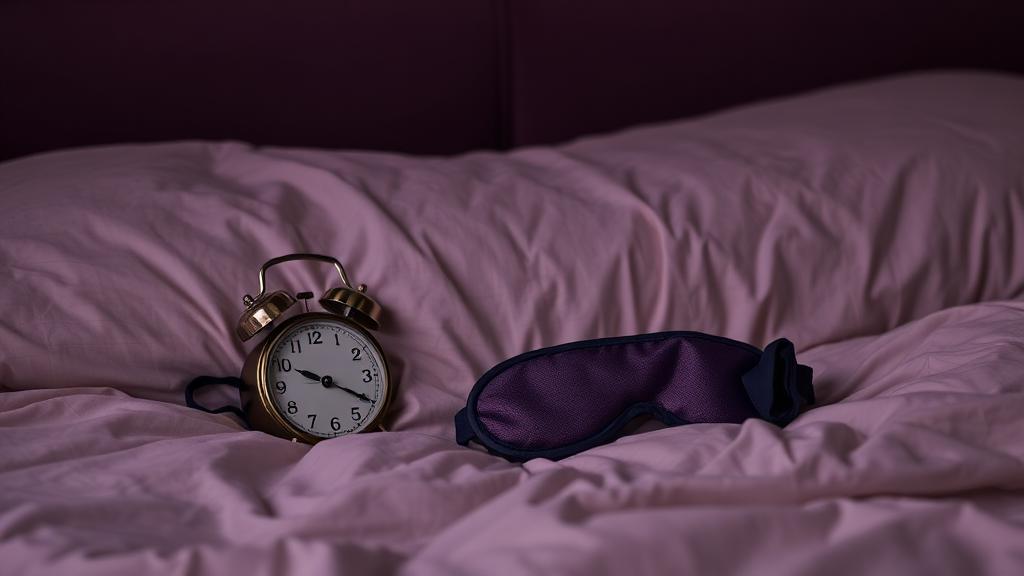
Sleep suffers from a strange problem: everyone does it, so everyone has opinions about it. Much of the folk wisdom is harmless. Some of it actively keeps people awake. Here are the myths we correct most often.
The myths, briefly
- 'Everyone needs exactly eight hours.' Needs range from roughly six to nine; the test is daytime alertness, not the clock.
- 'You can catch up on weekends.' Recovery sleep repairs some damage but cannot undo the rhythm disruption of a five-day deficit.
- 'A nightcap helps you sleep.' Alcohol sedates but fragments the second half of the night and suppresses deep and dream sleep.
- 'Lying in bed resting is almost as good.' It is not — and staying in bed awake teaches the brain that bed is for worrying.
- 'Snoring is harmless.' Loud, pausing snoring can signal sleep apnoea, a condition with real cardiovascular consequences.
- 'The brain shuts off during sleep.' It is busier than during waking — consolidating memory, clearing metabolic waste, processing emotion.
- 'Older people need less sleep.' They often get less; they do not need less.
The one principle underneath
Almost every myth makes the same mistake: treating sleep as a switch rather than a rhythm. Consistency — same wake time, wind-down, and light exposure — outperforms every hack, gadget, and heroic weekend lie-in.
This article is general information; for persistent sleep problems, seek professional assessment.