
Mouth Taping: Worth the Hype, or a Breath-Holding Gimmick?
Taping the mouth shut at night can help some people — and quietly harm others. Here is who it is for, who it is dangerous for, and what the evidence actually says.
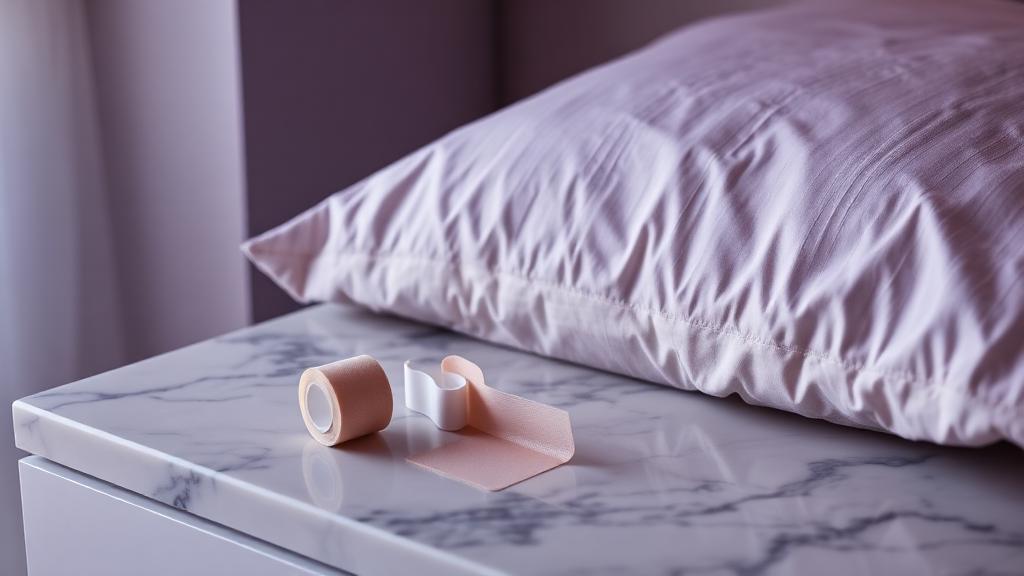
Mouth taping — placing a small strip of medical tape over the lips to encourage nasal breathing — has moved from a niche biohacking practice to mainstream sleep advice. Like most trends, the truth is quieter than the hype: it can genuinely help a specific group of people, it does nothing for many others, and it is actively dangerous for one important group.
The premise
Nasal breathing during sleep is preferable to mouth breathing for several reasons: it warms and humidifies air, it produces nitric oxide that supports airway tone, and it is associated with less snoring. Mouth taping aims to enforce nasal breathing by making the mouth route unavailable.
Who it may help
- Mild snorers whose snoring is driven by mouth breathing rather than airway collapse.
- People whose nasal passages are clear and who already breathe through the nose when awake.
- Those using it as part of a structured approach, with review — not as a blind self-experiment.
Who it can harm
Anyone with undiagnosed obstructive sleep apnoea should not tape their mouth. Mouth breathing in apnoea can be a fallback airway when the nose is insufficient; blocking it does not fix the collapse, it removes a safety valve. This is not a theoretical risk — it can worsen oxygen desaturation overnight.
"Taping the mouth shut does not open the airway. If the airway is the problem, the tape makes a dangerous situation worse."
A sensible approach
- If you snore, get screened for sleep apnoea first — before trying any breathing intervention.
- If you try taping, use a small vertical strip of breathable medical tape, not full coverage, so the mouth can open if needed.
- If you wake gasping, with a dry throat, or feeling worse, stop and seek assessment.
This article is for general information and does not replace medical advice. Snoring and possible sleep apnoea warrant professional assessment.