
Sleep and Gut Health: The Conversation You Cannot Hear
Your gut microbiome follows a circadian rhythm, and your sleep follows your gut. Upset one, and the other follows — in both directions.
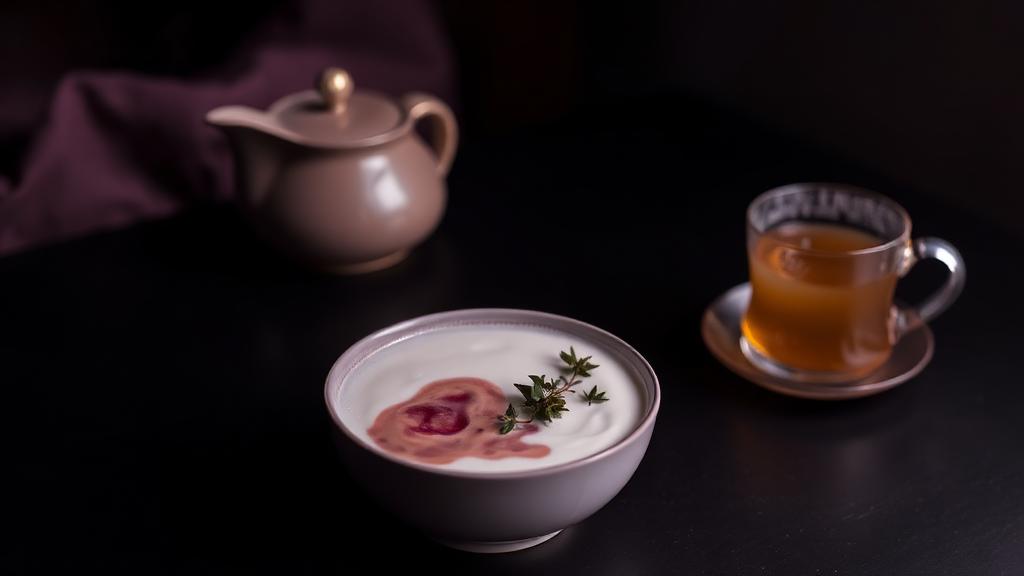
The gut and the brain are in constant conversation, and sleep is one of the channels they use. Shift the gut — with antibiotics, jet lag, or a poor diet — and sleep tends to follow. Disrupt sleep, and the gut's microbial community shifts within days. The relationship runs both ways.
The gut has a body clock
The composition and behaviour of the gut microbiome changes across the 24-hour cycle, tied to meal timing and light exposure. When the circadian rhythm is disrupted — shift work, irregular eating, late nights — the microbial community loses its daily structure, and that disruption feeds back into poorer metabolic and sleep outcomes.
What travels between them
- Gut microbes produce neurotransmitters and metabolites — including serotonin precursors and short-chain fatty acids — that influence mood and sleep regulation.
- Most of the body's serotonin, the precursor to melatonin, is produced in the gut.
- Inflammation originating in the gut can reach the brain and fragment sleep; calming the gut can have the opposite effect.
"You do not just eat for the morning. You eat for the night that follows."
Habits that help both
- Eat on a regular schedule; meal timing is a strong cue for the gut's circadian rhythm.
- Leave a window of 2–3 hours between dinner and bed to reduce reflux and overnight digestive load.
- Favour fibre and fermented foods over late heavy, high-fat meals that prolong digestion into the night.
This article is for general information and does not replace medical advice.