
Screens, Kids and Sleep: A Family Policy That Doesn't End in Arguments
Tablets and late-night cartoons are quietly eating your children's sleep. Here's how to set a household screen policy the whole family can keep.
The research on children's screens and sleep is unambiguous: evening screen use delays sleep onset, shortens total sleep, and worsens next-day behaviour and attention. The hard part isn't knowing this — it's enforcing it in a house where the adults are also on their phones.
Why screens hit children harder
The same bright light that nudges an adult's body clock shoves a child's. Children's eyes let in more light and their melatonin is suppressed more strongly. Add stimulating content — fast-cut videos, games, cliffhanger cartoons — and you have both a biological and a psychological wake-up call, delivered an hour before bed.
A policy the whole house can live with
- One shared rule: no personal screens for anyone in the last hour before the kids' bedtime — parents included. Children follow models, not instructions.
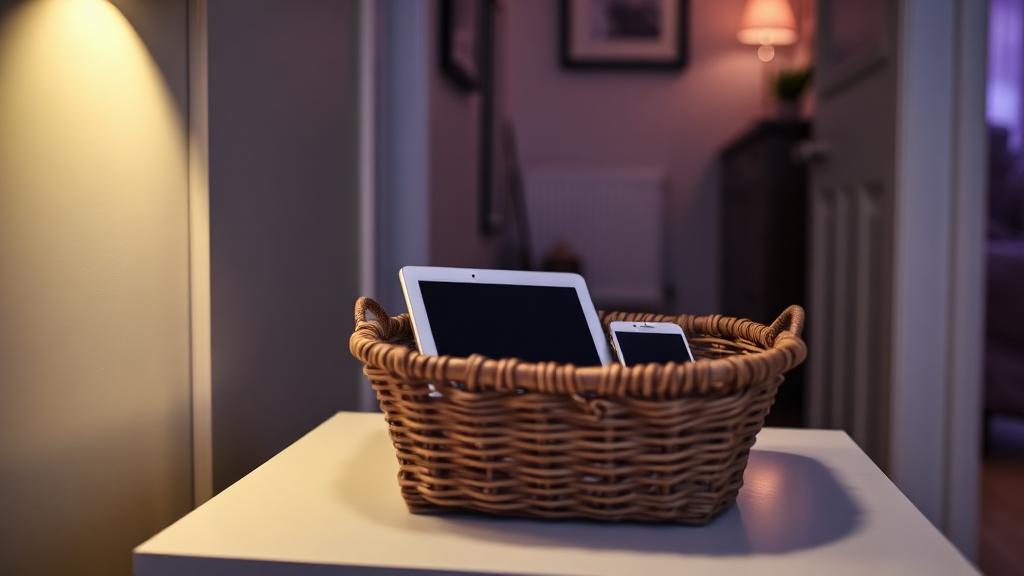
- Charging happens outside bedrooms, for every device in the house. A tablet by the bed is a 10 p.m. temptation.
- Replace, don't just remove: the screen hour becomes the story, puzzle or chat hour. Empty time gets fought; filled time gets accepted.
- Weekends follow the same evening cut-off, even if bedtime shifts slightly.
"You can't ask a child to put down a screen while holding one."
Expect a two-week adjustment
The first few nights of any new screen rule are loud. Hold the line without lectures, and most families report the protests fade within two weeks — replaced, often to everyone's surprise, by easier bedtimes and better mornings. If you want proof, track it: note bedtime and morning mood for a fortnight before and after.