
Co-Sleeping, Own Room, or Somewhere in Between: What Actually Matters for Family Sleep
The co-sleeping debate generates more heat than light. A calmer look at the evidence — and at what really determines whether the whole family sleeps.
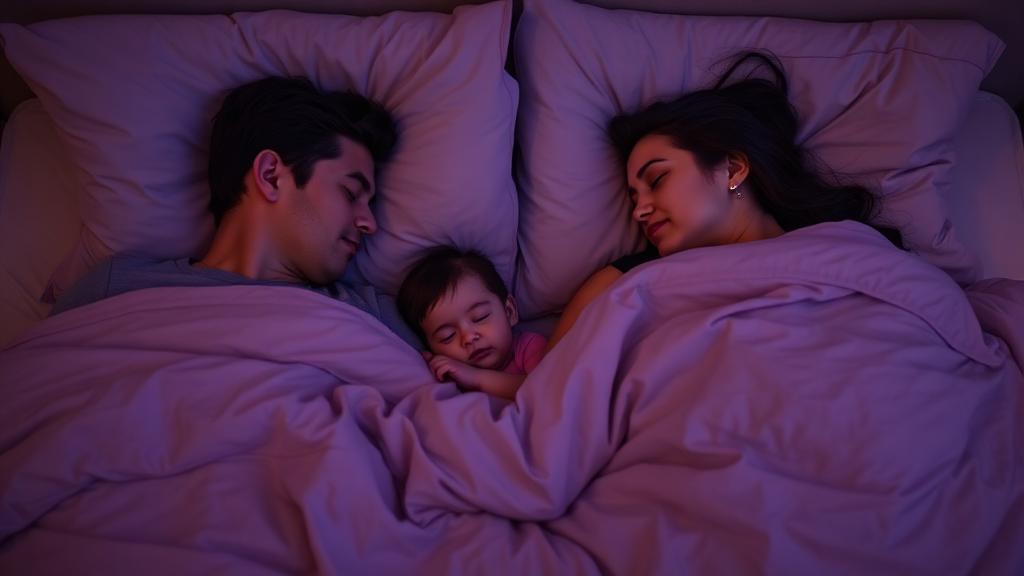
Few parenting topics divide dinner parties like where the baby sleeps. Advocates on both sides speak with total certainty. The honest summary of the evidence is less dramatic: the arrangement matters less than whether it's safe, consistent, and working for the whole family's sleep.
Safety is non-negotiable
For infants, the guidance is consistent across paediatric bodies: a firm, flat, clear sleep surface; no pillows, duvets or soft toys around the baby; and never bed-sharing on a sofa, with a smoker, after alcohol or sedating medication, or with a premature or low-birth-weight infant. Room-sharing — baby in a cot beside the parents' bed — offers the closeness of co-sleeping with a far better safety profile for the first six months.
What the research says about sleep quality
Studies show co-sleeping mothers breastfeed more easily at night but also experience more fragmented sleep; children who always fall asleep with a parent present tend to signal more night wakings, because they've never practised self-settling. Neither finding is a verdict — they're trade-offs. The families who sleep best are the ones who picked an arrangement deliberately and kept it consistent.
Questions worth asking honestly
- Is everyone in the arrangement actually sleeping well — including the parents?
- Is the current setup a decision or a default that grew out of exhaustion?
- Could the child fall asleep without you in the room if they needed to?
- Is the arrangement straining the parents' own sleep and relationship?
"There is no universally right place for a child to sleep. There is only a safe place, consistently kept, in a family that is getting enough rest."
If a transition to independent sleep is your goal, gradual methods — sitting further away each night, then outside the door — work reliably over two to three weeks with far fewer tears than abrupt change.