
Tea Before Bed: What the Evening Cup Actually Does
Chamomile has real evidence, valerian is complicated, and the ritual itself may matter more than the herb. A clear-eyed guide to bedtime tea.
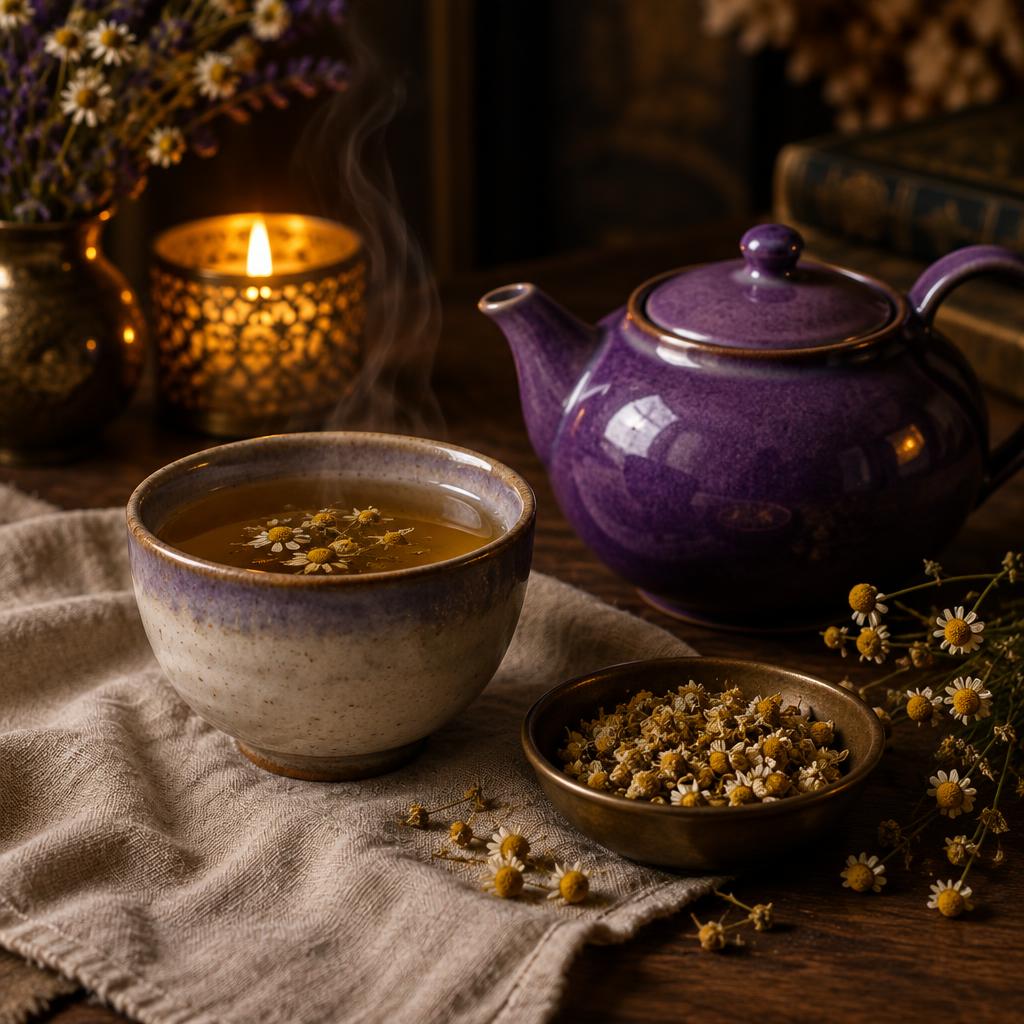
The bedtime tea is probably the oldest sleep ritual still in daily use — and one of the few that modern sleep science largely endorses. But the reasons it works are more interesting than the label on the box. Part of it is chemistry, part of it is temperature, and a surprisingly large part is the ceremony itself.
The herbs with actual evidence
Chamomile is the best-studied: its compound apigenin binds to the same brain receptors targeted by some anti-anxiety medications, and small trials show modest improvements in sleep quality. Passionflower and lemon balm have early, promising evidence. Valerian is the famous one, but its results are genuinely mixed — some people respond well, others feel nothing. Lavender as a tea is pleasant; as an aroma, it's better studied than as a drink.
The warmth is doing work too
A warm drink an hour before bed slightly raises skin temperature, which promotes heat loss from the body's core — and a falling core temperature is one of the body's strongest sleep-onset signals. It's the same mechanism behind the warm-bath effect, in a smaller, more convenient cup. This is why the tea helps even on nights when the herbs are probably doing very little.
The ritual is the active ingredient
Here's the honest part: in studies, the placebo effect in sleep rituals is large, and that's not a criticism. A repeated, calming sequence — kettle, cup, ten quiet minutes — becomes a conditioned cue. Done nightly, the ritual itself begins to lower arousal before the first sip. The herb gives the ritual something to carry; the ritual gives the herb a schedule to work on.
Getting the details right
- Drink it 60–90 minutes before bed, not at the bedside — a full bladder at 3am undoes the good work.
- Keep it caffeine-free: check blends for hidden green or black tea.
- One cup, not a pot. The goal is a signal, not hydration.
- Same cup, same chair, same time where possible — consistency is what turns a drink into a cue.
"The tea is an excuse. The ten quiet minutes you spend with it are the treatment."