
Sound and Sleep: White Noise, Brown Noise, or Silence?
The right acoustic background can mask disruptive noise and steady the nervous system. The wrong one can become a new sleep problem.
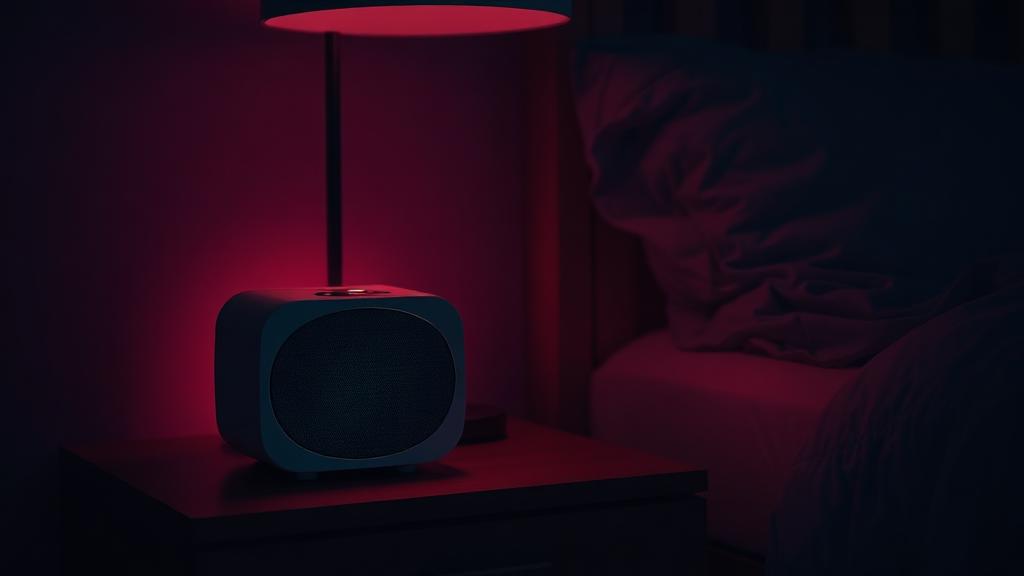
In a city like Dubai, the night is rarely silent. Traffic, construction, aircraft and neighbourhood hums can all interrupt the lighter stages of sleep. A consistent background sound is often the cheapest sleep upgrade available.
White noise vs brown noise
White noise contains equal energy across all frequencies — effective at masking sudden sounds, but some people find it harsh. Brown noise emphasises lower frequencies and sounds like a distant rumble; many adults find it more soothing for long periods. Pink noise sits in between and is often used in sleep studies for its gentle, rain-like quality.
When silence is not the answer
The brain is wired to detect change, not absolute volume. A quiet room with an occasional car alarm is more disruptive than a steady 45 dB of background noise. Consistency is the variable that matters.
How to use it safely
- Keep the volume under 50 dB — about the level of a quiet conversation.
- Place the speaker away from the pillow, not right next to your ear.
- Use a device with a timer if you only need help falling asleep.
- Avoid headphone use overnight; it can cause ear discomfort and raise infection risk.
"The goal is not to add noise. It is to make the night acoustically predictable."