
Sleep and Immunity: The Overnight Repair System
Why short nights make you more vulnerable to illness — and the sleep habits that strengthen your body's daily defence reset.
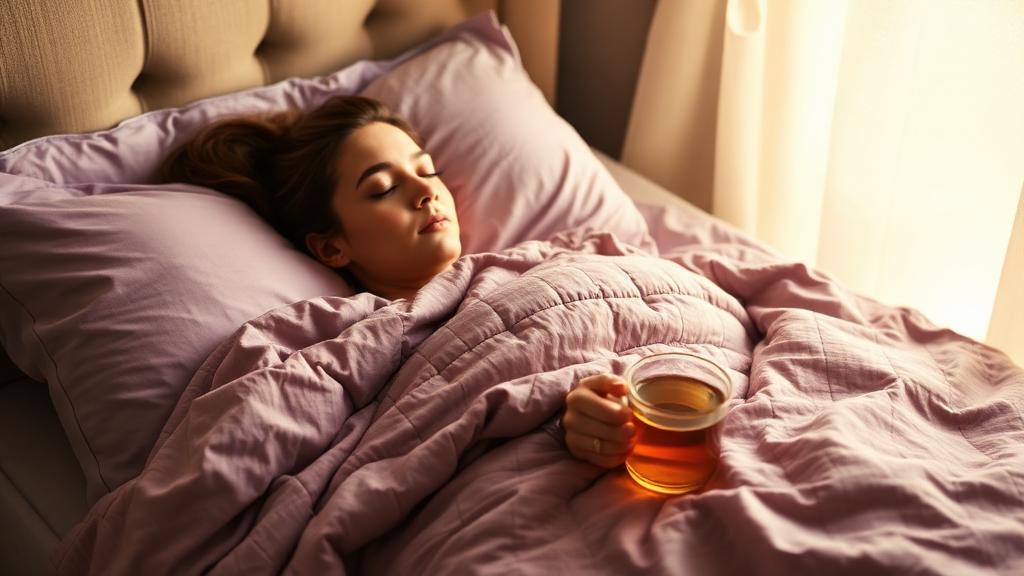
Sleep is not a passive state. While you are unconscious, your immune system is running a nightly maintenance schedule: producing cytokines, training T-cells, and flagging threats for tomorrow. Cut that window short, and the first system to suffer is often the one that keeps you from getting sick.
What happens during sleep
Cytokines, the signalling proteins that coordinate immune responses, are produced in their highest volumes during slow-wave sleep. At the same time, the body releases growth hormone and clears metabolic waste through the glymphatic system. This is not rest; it is repair.
The measurable cost of one bad week
- People sleeping fewer than six hours a night are roughly four times more likely to catch a common cold after viral exposure.
- Natural killer cell activity drops after even a few nights of restricted sleep.
- Vaccine antibody response is measurably weaker in sleep-deprived individuals.
"Sleep is the most effective immune intervention most people ignore — and it costs nothing."
Four habits that protect the immune window
- Keep a consistent wake time, even on weekends. Immune rhythms follow the circadian clock.
- Protect the last 90 minutes of sleep — that is when the deepest immune repair occurs.
- Avoid alcohol within three hours of bed; it suppresses REM and fragments the immune-critical deep stages.
- If you are fighting something, allow an earlier bedtime rather than a later wake-up.
This article is for general information and does not replace medical advice.