
Sleep Is the Last Legal Performance Enhancer
Reaction time, injury risk, muscle repair — sleep moves all of them. What the research says about sleep and athletic performance.
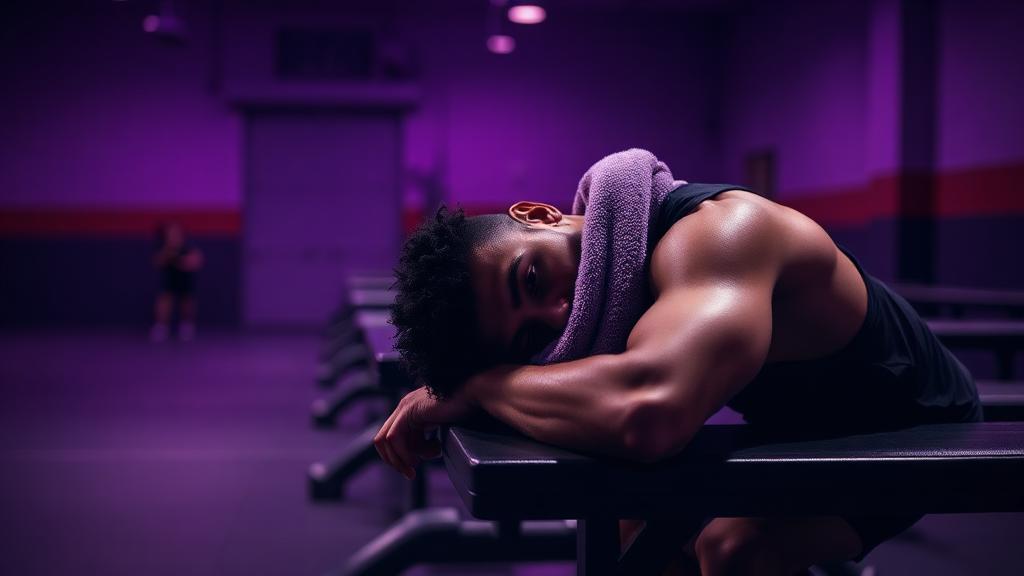
Athletes will spend thousands on coaching, nutrition and equipment, then train on six hours of sleep. The math doesn't work. Sleep is when growth hormone peaks, when motor skills consolidate, and when the immune system repairs training damage. Nothing else on the market comes close.
What the studies show
Stanford's basketball sleep-extension study found sprint times and free-throw accuracy improved when players simply slept more. Other research shows that under six hours, time to physical exhaustion drops by up to 30%, and injury risk in young athletes rises sharply. One bad night measurably slows reaction time as much as mild alcohol intoxication.
The athlete's sleep protocol
- 8–10 hours opportunity — athletes consistently need the upper end of the range, not the lower.
- Keep training away from bedtime: hard sessions within three hours of sleep delay deep sleep.
- Cool, dark room — body temperature drop is both a sleep trigger and a recovery signal.
- Consistent schedule, including rest days. Weekend lie-ins reset the clock like jet lag.
Naps as a training tool
For athletes, a 20–30 minute early-afternoon nap restores alertness and reaction speed without cutting into night sleep. Elite programmes from cycling to football now schedule them deliberately. The nap isn't laziness — it's periodised recovery.
"You don't get stronger in the gym. You get stronger recovering from the gym — and most recovery happens asleep."
If you train seriously and sleep badly, fixing sleep is the highest-leverage change available — and the cheapest.