
Building Sleep in Children: The Foundations That Last a Lifetime
What we teach parents at the clinic: the bedtime routines and environmental anchors that turn good sleep into a default, not a battle.
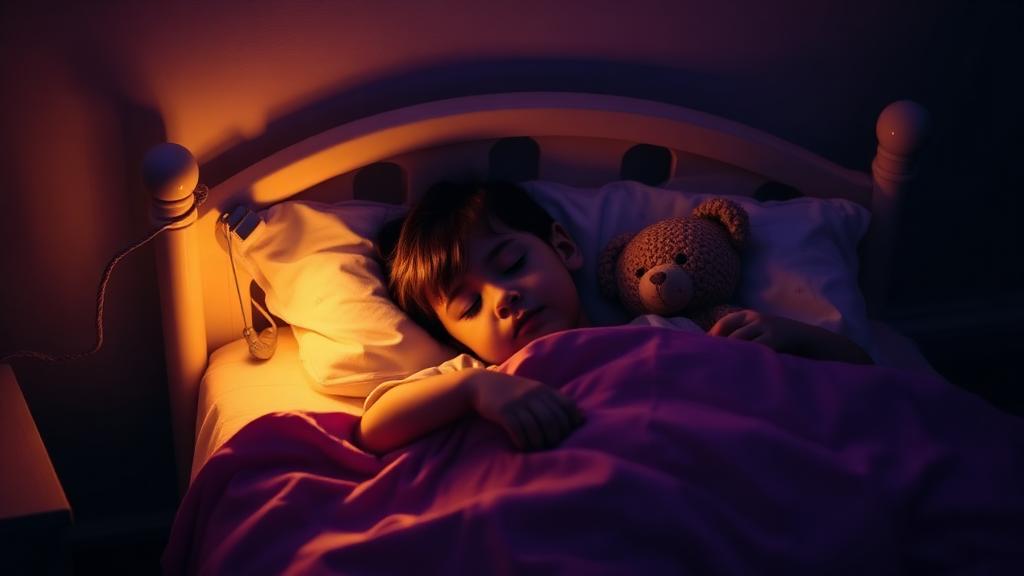
Adult insomnia almost always has its roots in childhood — in inconsistent bedtimes, late screens, or a bedroom that never felt safe to settle in. The good news is that the foundations are simple, and the window to lay them is generous.
The three anchors
- A consistent bedtime, within 20 minutes, seven nights a week — including weekends.
- A short ritual (bath, story, lights down) repeated in the same order, in the same place.
- A bedroom that is dark, cool (19–21°C), and free of glowing screens or pulsing standby lights.
Why weekends matter
A Friday-to-Saturday two-hour bedtime shift is, for a child's developing circadian system, the equivalent of a flight from Dubai to Athens — and they fly back on Sunday. Monday-morning meltdowns are jet lag.
On screens
Screens before bed are not just about blue light. The narrative arousal of a video — even a calm one — outlasts the device by an hour. The rule we recommend: no screens in the 60 minutes before bedtime, ever.
When to seek help
If your child takes more than 40 minutes to fall asleep most nights, or wakes more than twice, the pattern is worth professional input. Paediatric sleep is exceptionally responsive to short, structured interventions — usually three to four sessions are enough.