
Do Blue Light Glasses Actually Help You Sleep?
The marketing outpaces the evidence. The glasses can help — but only if you are using them for the right reason at the right time.
Daniel, Somnia Editor 5 min
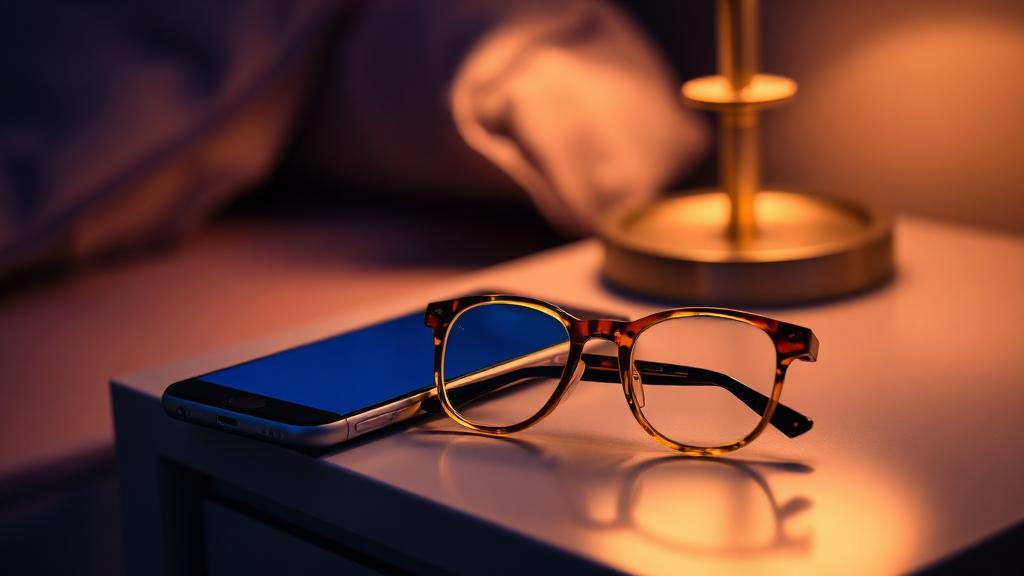
Blue-light-blocking glasses are sold as a near-universal sleep fix. The evidence is narrower than the marketing suggests: they can meaningfully help sleep, but the effect depends on timing, brightness, and whether you are actually exposed to enough evening light to suppress melatonin in the first place.
What the light actually does
Blue wavelength light in the evening suppresses melatonin and shifts the circadian clock later. Screens are one source, but bright overhead lights and the pre-sunset sky are far larger ones. The dose matters more than the device.
What the glasses can and cannot do
- For people who use screens late into the evening, amber-tinted glasses that block a high percentage of blue light can reduce melatonin suppression and modestly improve sleep onset.
- Clear 'computer glasses' that block only a small fraction of blue light do almost nothing for sleep — they are marketed for eye strain, a separate and disputed claim.
- Wearing them for an hour before bed while keeping the overhead lights blazing will not save your melatonin.
"Dimming the lights does more for your sleep than any pair of glasses ever will."
The hierarchy that actually works
- Dim the room 90 minutes before bed — overheads off, warm low lighting on.
- Reduce or remove screen use in the last hour; if you must use a screen, add an amber filter or amber glasses.
- Get bright light first thing in the morning, which sets the clock that makes evening light suppression matter.
This article is for general information and does not replace medical advice.