
The Anxiety-Sleep Loop: Why Worry Steals Sleep, and Sleeplessness Feeds Worry
Anxiety and insomnia are not two problems — they're one loop. Understanding how each side feeds the other is the first step to breaking it.
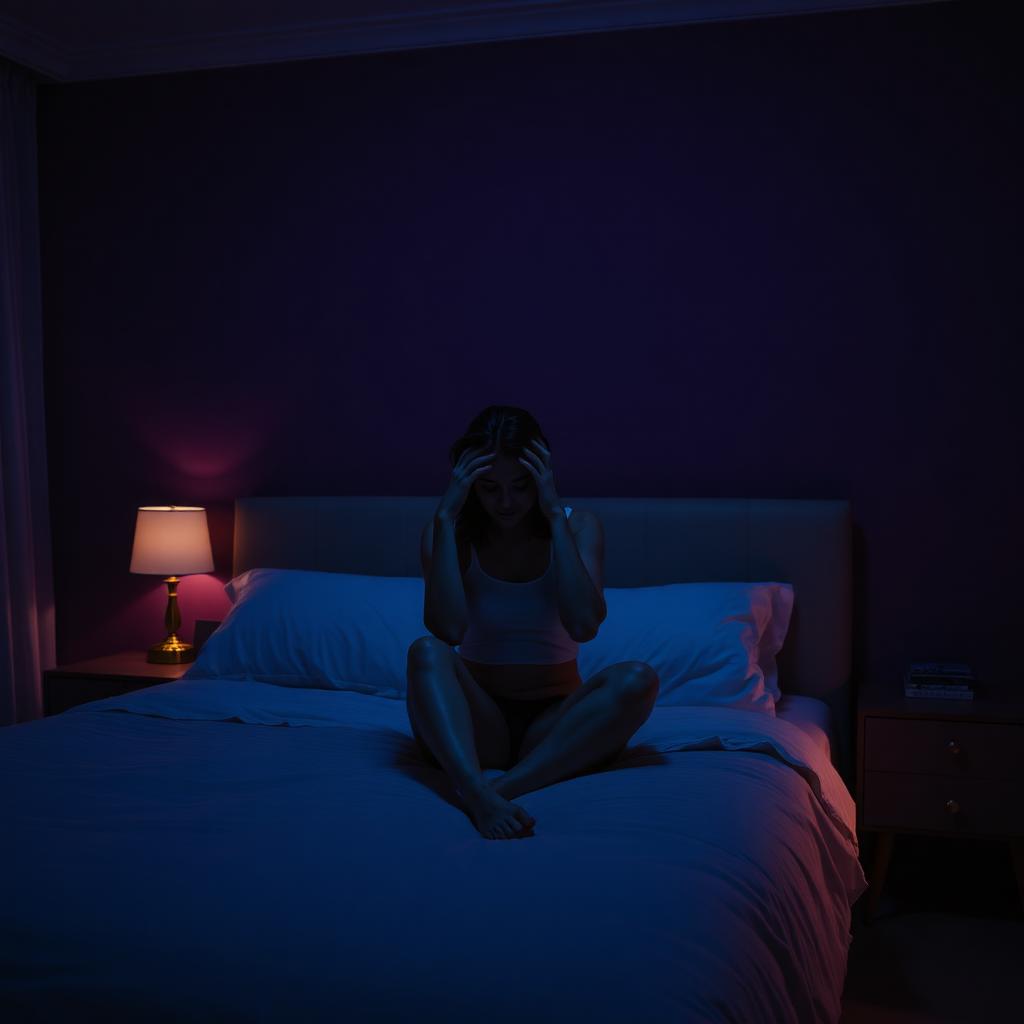
Here's the cruel arithmetic of anxious sleep: worry raises your arousal, arousal blocks sleep, and a sleepless night chemically amplifies the brain's threat-detection system — so you wake up more anxious than you were. Each side of the loop makes the other worse, which is why telling an anxious person to 'just relax and sleep' is about as useful as telling a fire to calm down.
What a sleepless night does to the anxious brain
Brain imaging studies show that after one night of poor sleep, the amygdala — the brain's alarm bell — becomes up to 60% more reactive to negative stimuli, while its connection to the rational prefrontal cortex weakens. In plain terms: after bad sleep, everything feels more threatening and you're less able to talk yourself down. That's not a character flaw. It's neurochemistry.
The bed becomes a trigger
Lie awake worrying enough nights in a row and your brain forms an association: bed = alert, anxious, problem-solving. This is called conditioned arousal, and it's why anxious insomniacs often feel sleepy on the sofa but wide awake the moment they lie down. The bedroom has been accidentally trained as a worry chamber.
Breaking the loop from both sides
- Schedule a 'worry appointment' at 17:00 — fifteen minutes with a notebook. When the thoughts arrive at 2 a.m., remind them they already had their slot.
- If you're awake and wound up after roughly 20 minutes, leave the bed. Do something dull in low light until sleepiness returns. This rebuilds the bed-sleep association.
- Anchor a fixed wake time seven days a week — it stabilises the circadian rhythm anxiety loves to disrupt.
- Use slow, extended exhales (in for 4, out for 8) to directly lower the physiological arousal worry creates.
- Get morning daylight within an hour of waking; it's the cheapest anxiety-reduction tool we have.
"You can't out-argue anxiety at 3 a.m. You can only out-schedule it at 5 p.m."
When the loop needs professional help
If the cycle has been running for more than a few months, the most effective treatment we know is CBT-I — cognitive behavioural therapy for insomnia — often combined with anxiety-focused therapy. They target both sides of the loop at once, which is exactly why they work when sleep hygiene tips alone don't.