
Alcohol Doesn't Help You Sleep — It Sedates You
Why the nightcap that knocks you out at 11 wakes you at 3, and the small swaps that protect your REM.
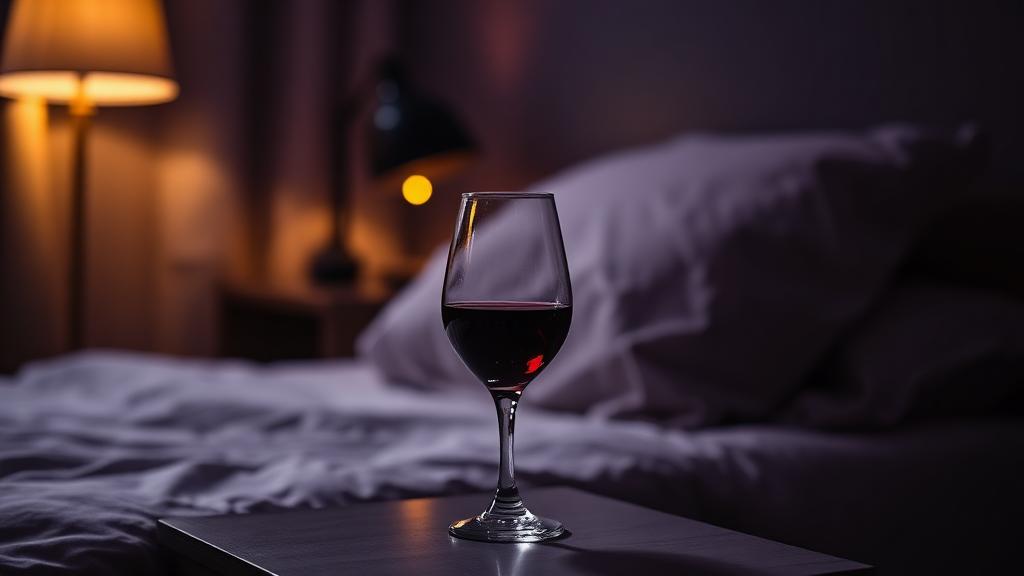
Alcohol is the most common sleep aid on earth. It is also one of the most destructive. The difference between sedation and sleep is something the body knows even when the mind does not.
The first-half illusion
Two glasses of wine collapse you into a heavy, dreamless first three hours. That is not deep sleep — it is sedation. Your brainwaves look fundamentally different from natural slow-wave sleep, and the memory consolidation that should happen in those hours is suppressed.
The second-half collapse
Around 3 a.m., as alcohol is metabolised, the body undergoes a rebound: heart rate climbs, REM floods in irregular bursts, cortisol rises. This is why you wake at the same uncomfortable hour every time you drink.
What actually helps
- Finish your last drink at least three hours before bed — your liver needs an hour per unit.
- Match every drink with a glass of water. Dehydration amplifies the 3 a.m. wake.
- Skip alcohol entirely on the two nights per week you most need clarity the next day.
If you are using a nightcap to switch off, the issue is upstream. A real wind-down ritual — light, scent, breath — does the same job without the 3 a.m. tax.